

If you want to know how to improve SEO, focus on fixing crawl and indexing blockers, aligning each page to real search intent, upgrading content quality, strengthening internal links, and improving technical performance so Google can rank your pages.
Improving SEO is not one trick or one plugin. It is a system that helps search engines understand your pages, helps users trust what they read, and helps your website earn authority over time. The biggest gains usually come from a few repeatable actions done consistently.
What “Improving SEO” Means (and What to Expect)
SEO improvements show up in different ways depending on what you measure. Rankings matter, but they are not the only outcome that counts. A page can move up a few spots and still underperform if it attracts the wrong visitors or does not convert.
Rankings vs traffic vs conversions
Rankings are a visibility signal, traffic is the result, and conversions are the business outcome. If your target keyword ranks high but the page misses intent, you may get clicks without leads or sales. If you plan improvements, define success per page with a clear goal.
How Google evaluates relevance, quality, and usability
To improve SEO on google, you are trying to win on three fronts. Relevance means the page matches the query. Quality means the content is accurate, useful, and trustworthy. Usability means the page is fast, mobile-friendly, and easy to navigate.
Start With the Basics: Fix the Issues That Block Ranking
Before you rewrite content, confirm Google can access and index your pages. These issues are common and often invisible unless you check them directly.
Ensure your pages can be crawled and indexed
If a page is not indexed, it cannot rank. Common blockers include noindex tags, robots.txt rules, pages behind login, and canonical tags pointing to a different URL. Keep your sitemap clean and avoid listing broken URLs or redirects.
Check for duplicate, thin, or outdated pages
Thin pages often exist because a site has many similar pages targeting slight keyword variations. Duplicate content can happen from URL parameters or multiple versions of the same page. To improve website SEO, consolidate overlapping pages and redirect weaker URLs to the stronger version.
If you rebuilt your site: redirects and old URL cleanup
Site rebuilds often cause ranking drops when old URLs change without proper redirects. Use one-to-one 301 redirects from each valuable old URL to its best new equivalent. Avoid redirect chains because they waste crawl time and reduce performance.
Improve SEO With Strong On-Page Optimization

On-page SEO helps Google understand your page and helps users choose your result. It is also one of the most controllable levers you have.
Choose the right primary keyword and search intent per page
One page should have one main job. Pick a primary query that matches what the page truly offers, then support it with related phrases. For a guide targeting how to improve your SEO, focus on practical steps and explanations, not sales copy.
Write better titles and meta descriptions (for clicks + relevance)
Your title tag is a strong relevance signal and a major driver of clicks. Keep it specific, match query language, and promise a clear benefit. Meta descriptions can improve click-through rate by setting expectations and previewing value.
Use headings and internal structure for clarity
Headings should make the page easy to scan. Use H2 sections for major topics and H3 sections for details. Break up long text with short paragraphs and clear examples to improve readability and engagement.
Image alt text and media optimization
Alt text supports accessibility and adds context about images. Keep it descriptive and natural. Compress images, use appropriate dimensions, and reduce unnecessary media weight to protect speed and mobile experience.
Upgrade Content Quality to Improve SEO Ranking
Content wins when it is the best answer for that query. Best usually means clearer, more complete, and more trustworthy than competing results.
Create “best answer” content (E-E-A-T signals in practice)
Show real expertise through specifics. Use examples, step-by-step explanations, and accurate claims. Add proof when possible, such as process details, case learnings, or outcomes that demonstrate you know what works in practice.
Cover the topic fully (entities, FAQs, comparisons)
To improve SEO ranking, do not stop at surface-level tips. Include the subtopics users expect, such as indexing, internal linking, content updates, and technical basics. Answer common follow-up questions within the body to keep readers engaged.
Refresh and republish: what to update and how often
Updating content is often easier than creating new content. Improve clarity, add missing sections, and replace outdated advice. Update publish dates only when changes are meaningful and visible to readers.
Improve Website SEO With Internal Linking and Site Architecture
Internal links are a direct way to improve SEO because they help distribute authority and guide crawlers to your priority pages.
Build topic clusters and hub pages
A topic cluster groups related content around a central hub page. The hub targets the broad topic and supporting posts target narrower subtopics. Linking both ways clarifies relationships and strengthens topical authority.
Internal links that pass relevance (anchors, placement, priorities)
Use descriptive anchor text that reflects the destination page topic. Add links from pages that already get traffic or have backlinks. Place important internal links within body content because they are typically more relevant than footer links.
Navigation and crawl depth
If a key page is buried several clicks deep, it is harder to reach and easier to ignore. Important pages should be reachable within a few clicks from the homepage. Good structure improves usability and crawl efficiency.
Technical SEO That Actually Moves the Needle

Technical SEO matters most when it removes friction. You do not need perfection, but you do need clean signals and good performance.
Page speed and Core Web Vitals basics
Improve speed by compressing images, reducing script bloat, improving caching, and fixing slow server response. Slow pages reduce engagement and can limit how well strong content performs, especially on mobile.
Mobile-first usability checks
Check text size, tap targets, layout stability, and intrusive popups. If the page is frustrating on a phone, fix it. Better mobile usability also tends to improve conversions and time on page.
Structured data (schema) for eligible rich results
Schema helps search engines interpret your content and can improve eligibility for rich results. Use it only when it matches the page content and is implemented correctly. Keep markup accurate and consistent.
Canonicals, pagination, and index management
Canonical tags help manage duplicate URLs, but wrong canonicals can remove pages from rankings. For larger sites, reduce index bloat from faceted navigation and near-duplicate pages. Help Google focus on your best URLs.
Earn Authority: Links and Mentions Without Spam
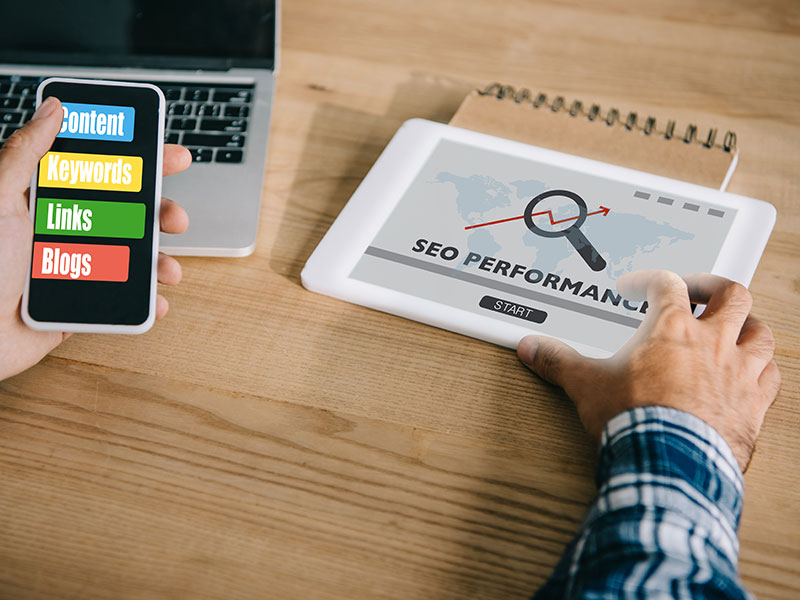
Links still matter because they signal credibility. Focus on quality and relevance, not volume.
What a “good” backlink looks like
A strong backlink is relevant, editorial, and placed in context. It ideally sends referral traffic. One high-quality mention can outperform dozens of low-quality directory links that offer little trust.
Link-worthy assets and digital PR angles
Create assets others want to reference, such as original data, templates, calculators, and practical guides. Case studies and real-world breakdowns often earn links naturally. Partnerships and community involvement can also lead to credible mentions.
Local citations and reviews (if you serve a local area)
If you serve a geographic area, consistent business details and strong reviews can improve local visibility. Local credibility signals also support brand trust and can increase click-through rates in search results.
Measure, Iterate, and Keep Improving Your SEO
SEO improves faster when you measure what matters and build a routine. Without measurement, it is easy to waste effort.
Set up tracking: Search Console and analytics
Search Console shows queries, impressions, clicks, indexing issues, and technical warnings. Analytics shows what users do after they arrive. Together, they help you prioritize fixes and content updates that produce results.
The few SEO metrics that matter most
Focus on organic clicks, conversions from organic traffic, and performance of keyword groups tied to business intent. Use rankings as a diagnostic signal, not the primary goal. Track trends over weeks and months.
A simple monthly SEO routine
Review near-win pages, update one or two priority URLs, add internal links from relevant posts, and fix technical issues that block crawling or slow performance. Consistency usually beats big one-time projects.
Common Reasons You’re Not Ranking (Quick Troubleshooting)

If you still are not ranking, the issue is usually one of these. Fixing it often unlocks progress across multiple pages.
New site or new page: time, competition, and indexing
New sites often need time to earn trust. Confirm indexing, target realistic queries, and build topical depth. If competition is strong, start with more specific long-tail topics and expand as authority grows.
Title tag changes and ranking drops
Title changes can reduce relevance if they no longer match intent. If rankings drop after an edit, adjust the title to match query language and page content. Also confirm you did not change canonicals, URLs, or internal links.
Cannibalization (multiple pages targeting the same query)
When multiple pages target the same keyword, signals split and rankings weaken. Consolidate overlapping content or re-target one page to a different intent. Clear keyword-to-page mapping often improves stability.
Manual actions and security issues
Hacks, spam injections, and guideline violations can tank performance. Watch for suspicious indexed pages, strange URLs, and sudden sitewide drops. Clean up security issues quickly and resolve any warnings in Search Console.
If you want a more structured way to approach these improvements, it can help to follow a defined SEO process instead of applying isolated fixes. A clear framework that connects technical work, content, and internal linking often leads to more stable growth over time. You can see how this works in practice on our SEO services page.
Conclusion
If you want to improve SEO, start with crawl and indexing health, then tighten on-page targeting so each page matches one clear intent. Next, upgrade content quality, build smart internal links, and remove technical friction that slows users and crawlers. Finally, earn authority through credible mentions and links, then measure results monthly so you keep compounding gains over time.
FAQ
How long does it take to improve SEO ranking?
Most sites see early movement in weeks, but meaningful gains often take 2 to 4 months. Competition, site quality, and consistency determine timelines.
What’s the fastest way to improve SEO on google?
Fix indexing issues, improve titles and intent alignment, and refresh pages already getting impressions. Add strong internal links to priority pages.
How do I improve SEO if I can’t publish content often?
Refresh existing pages, consolidate duplicates, strengthen internal linking, and improve speed and mobile usability. Focus on a few high-impact pages.